Every Picture Is a Compromise
Lessons from the Also-rans
Most photography websites show the photographer's very best work. Wonderful. But that's not the full story of a creative life. If we want to learn, we'd better pay attention to the images that aren't "greatest hits" and see what lessons they have to offer. Every picture is a compromise — the sum of its parts, optical, technical, visual, emotional, and even cosmic – well, maybe not cosmic, but sometimes spiritual. Success on all fronts is rare. It's ok to learn from those that are not our best.
This is a series about my also-rans, some of which I've been able to improve at bit (i.e., "best effort"), none of which I would consider my best. With each there are lessons worth sharing, so I will.
Previous image | Next image |
Original digital capture
More First Days with
an Early Digital Camera
This week I'm again looking at five images from my very first days with a digital camera. Lesson #1 - don't ever throw away a digital capture because advancing technology will provide unanticipated possibilities. Lesson #2, you will continue to learn — lots — and that is just as it should be.
What I saw that I liked:
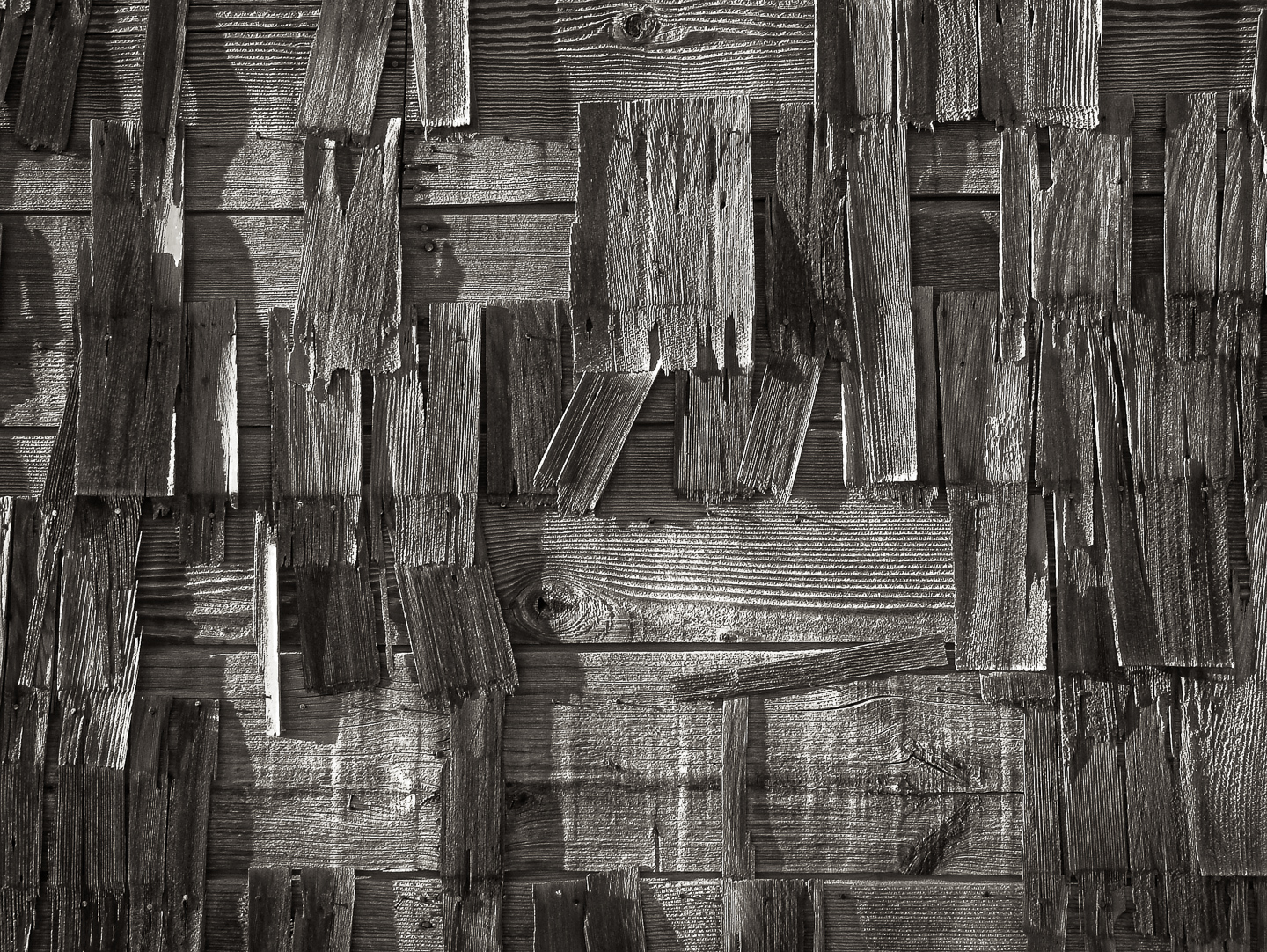
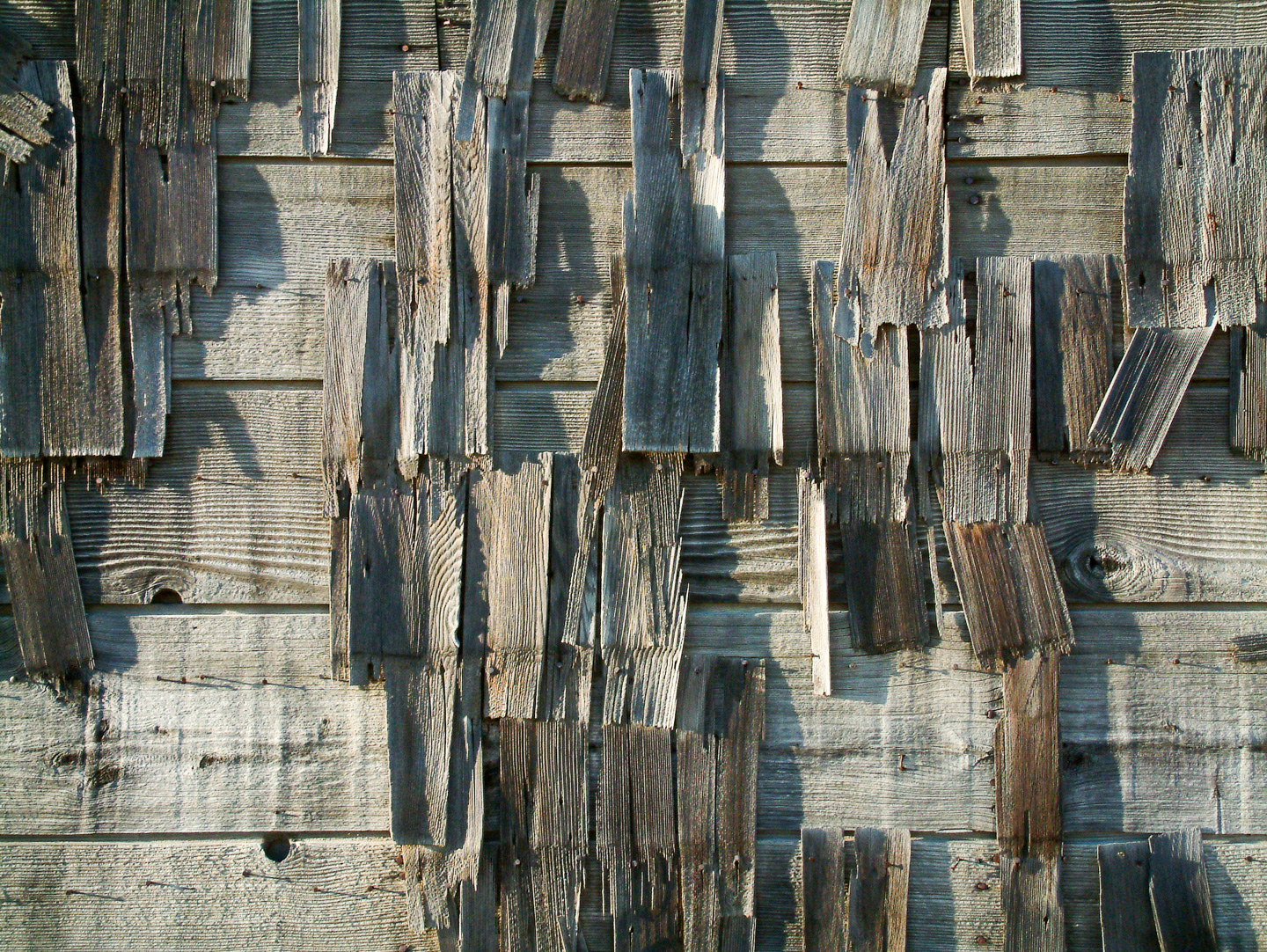
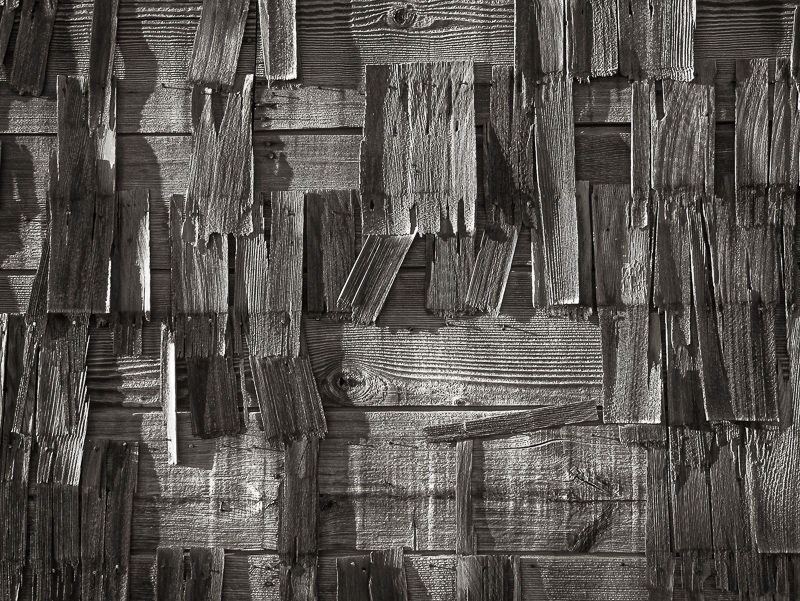
This is the kind of wall abstract that I just can't pass by.
What I don't like in the picture:
The image above was the first shot of this wall. In my film days, I probably would have moved on after this to find the next subject down the road. One shot, that's it.
What I learned:
With high-capacity memory cards, we can shoot up a storm and give ourself license to experiment and explore. I have 16 different compositions of this wall, with exposure bracketing to result in 48 separate digital files. What a world of difference from my film days when I would meticulously count sheets of film so I didn't run out in the field.
There is another aspect of this image that I think is incredibly important. I would much rather do my editing and image selection back at home rather than try to do that in the field. Field work is for gathering; editing and image selection is better suited to working on a project at home where I have access to my entire catalog of images when I'm working on a project. |
|