Every Picture Is a Compromise
Lessons from the Also-rans
Most photography websites show the photographer's very best work. Wonderful. But that's not the full story of a creative life. If we want to learn, we'd better pay attention to the images that aren't "greatest hits" and see what lessons they have to offer. Every picture is a compromise — the sum of its parts, optical, technical, visual, emotional, and even cosmic – well, maybe not cosmic, but sometimes spiritual. Success on all fronts is rare. It's ok to learn from those that are not our best.
This is a series about my also-rans, some of which I've been able to improve at bit (i.e., "best effort"), none of which I would consider my best. With each there are lessons worth sharing, so I will.
Previous image | Next image |
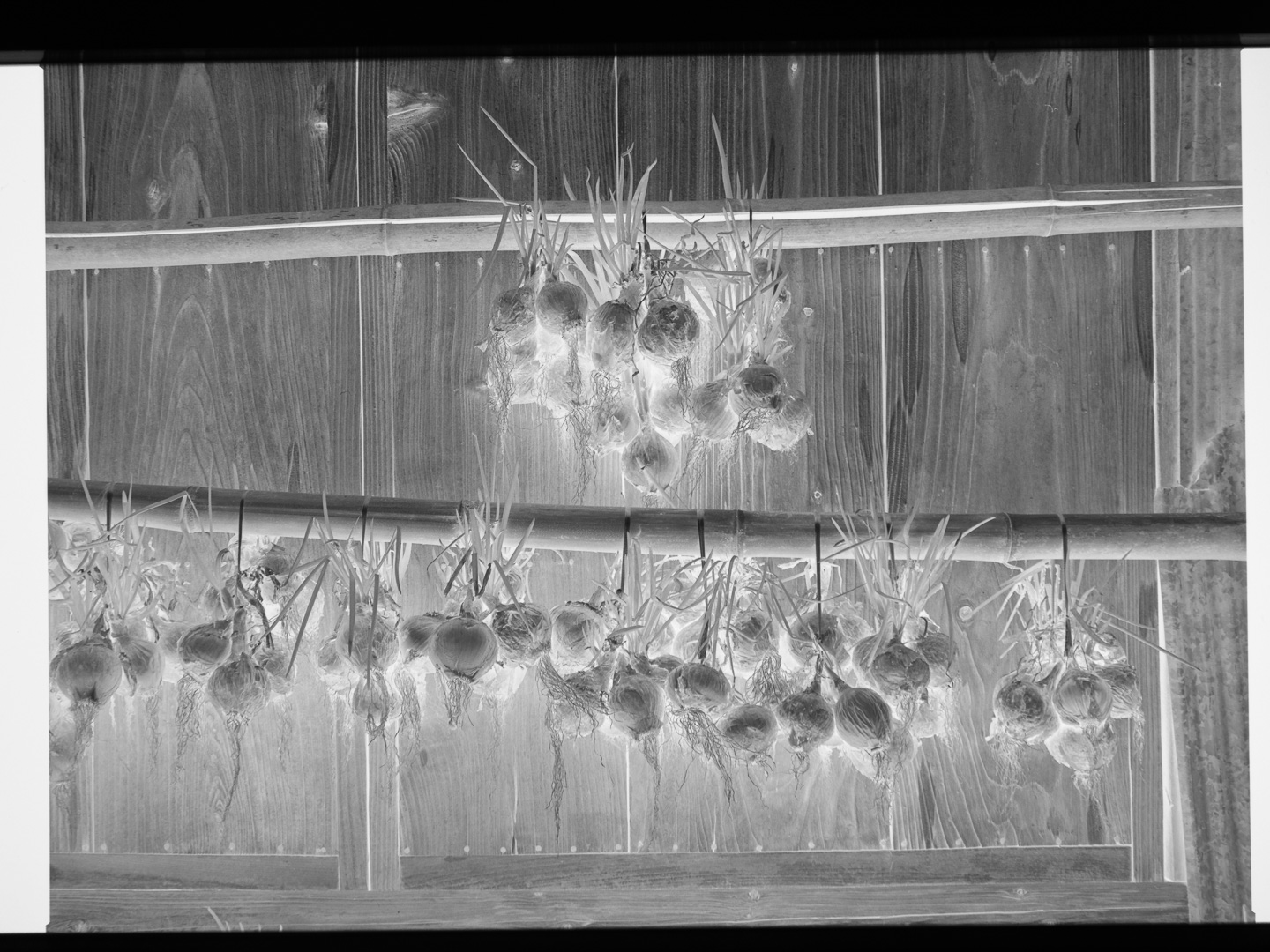
Original film negative
From Negatives Week
The five images this week all started as 6x9cm b/w film negatives. These were scanned using a flatbed scanner and recently processed using Lightroom only. Some convert better than others. Some are indistinguishable from modern digital captures. Mining those old analog images offers more useful results than we might guess.
What I saw that I liked:
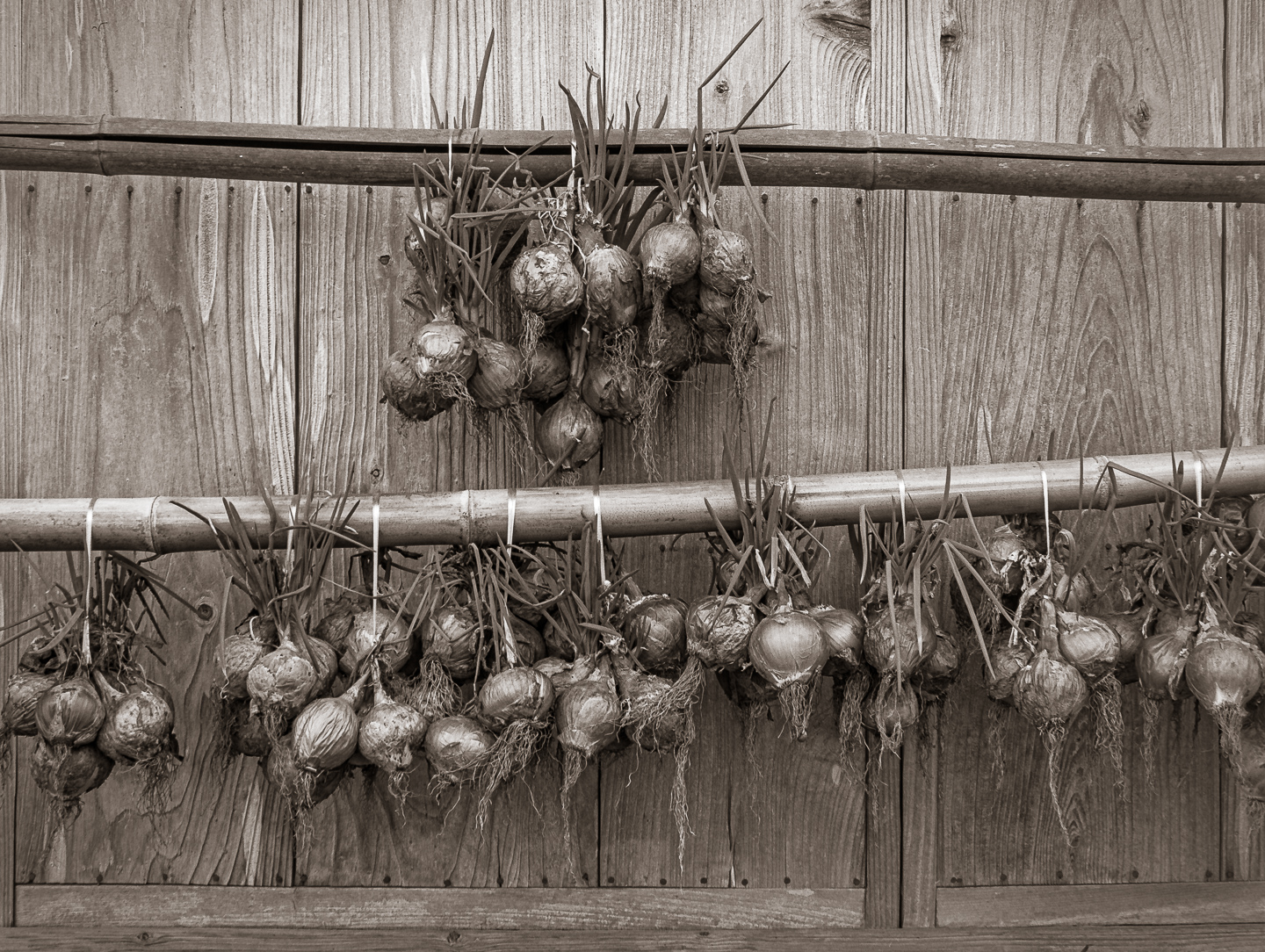
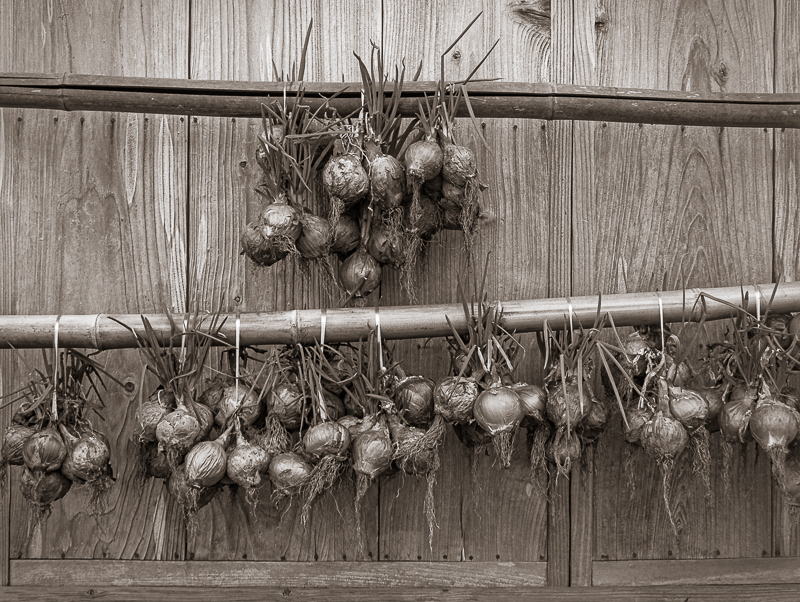
This is a pretty close rip off of an image from Linda Butler's book about rural Japan. I love her work.
What I don't like in the picture:
The goal here was to emphasize the sheen in the onion skin the way Butler did. Hers is better, but I'm pretty happy with this version at left after some digital processing that I simply could not get to work from my wet darkroom attempts.
What I learned:
A properly exposed and processed negative can result in a good digital image after scanning. This image was encouraging to me in my early scanning efforts. |
|