Every Picture Is a Compromise
Lessons from the Also-rans
Most photography websites show the photographer's very best work. Wonderful. But that's not the full story of a creative life. If we want to learn, we'd better pay attention to the images that aren't "greatest hits" and see what lessons they have to offer. Every picture is a compromise — the sum of its parts, optical, technical, visual, emotional, and even cosmic – well, maybe not cosmic, but sometimes spiritual. Success on all fronts is rare. It's ok to learn from those that are not our best.
This is a series about my also-rans, some of which I've been able to improve at bit (i.e., "best effort"), none of which I would consider my best. With each there are lessons worth sharing, so I will.
Previous image | Next image |
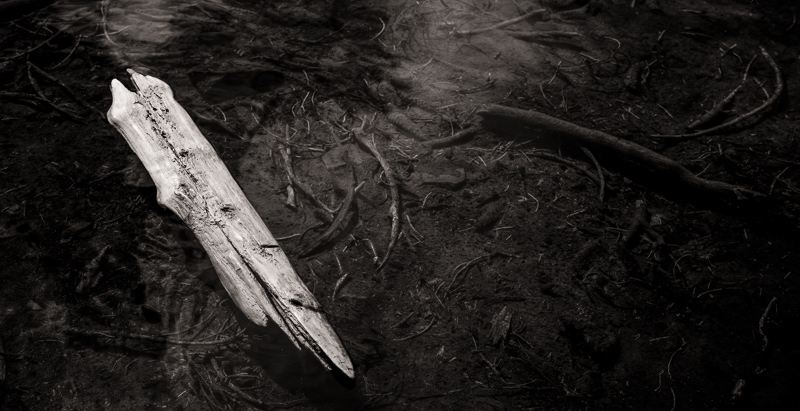
Original digital capture
Film Contact Sheet to Digital Image
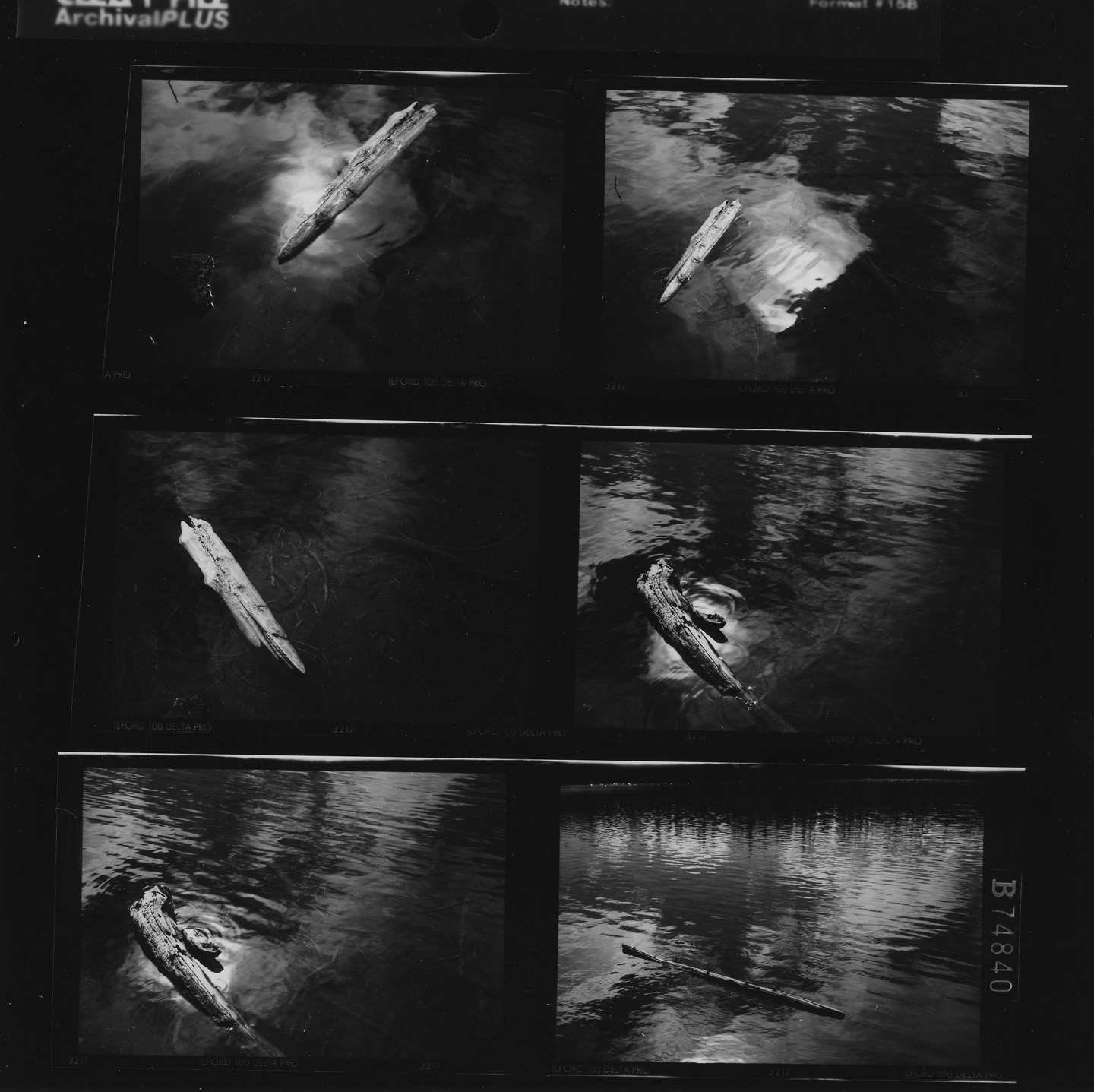
I think my generation has been the luckiest in the entire history of photography. We have roots in both the analog and digital workflows. From the odor of Hypo to the click of a Lightroom preset. This week is a nostalgic look back at contact sheets and the images that came from them via the hybrid processing of a negative scan.
What I saw that I liked:
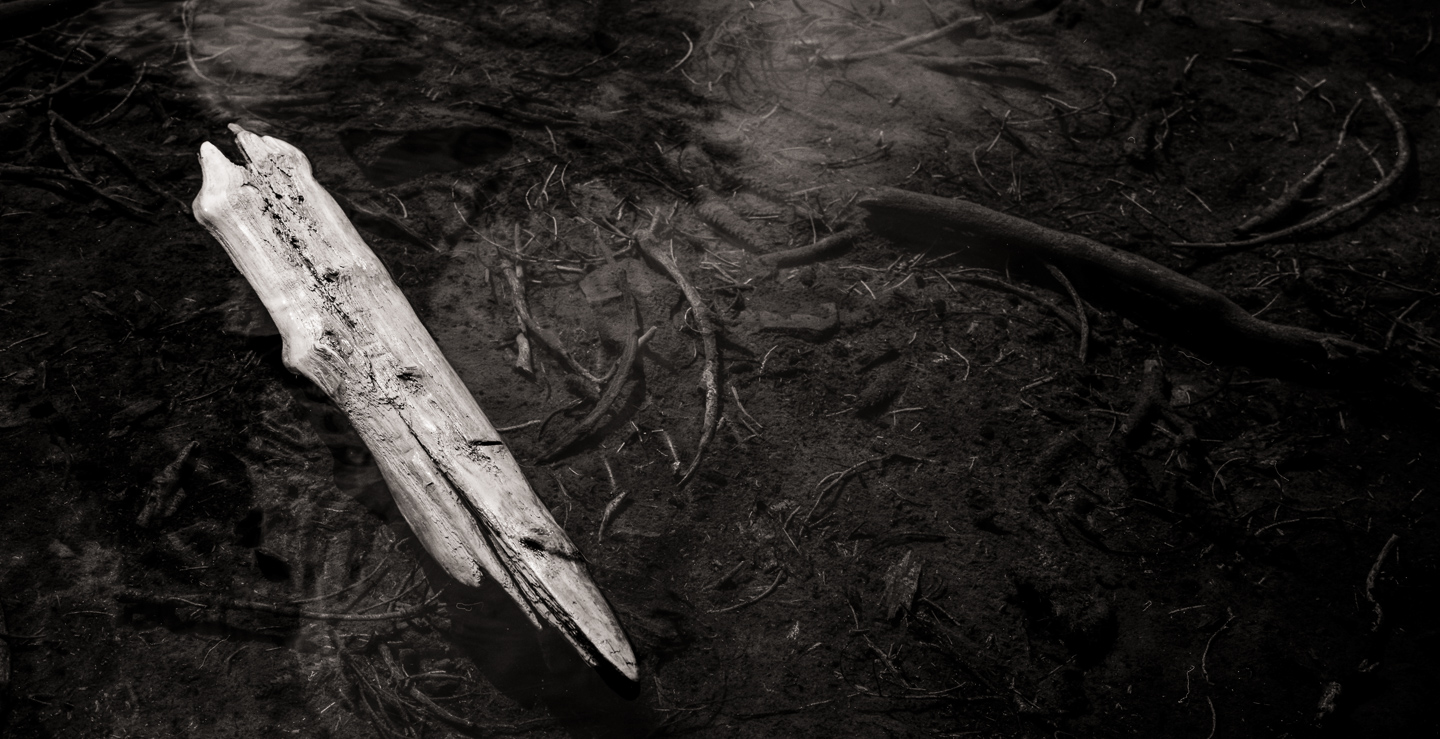
This floating log is eerie, an almost shark-like proboscis with that pointing appendage above the murky waters below. The version in the contact sheet is not.
What I don't like in the picture:
The log needs more contrast, the waters need to be a lot lighter in the deep shadows. I don't know how to do that in gelatin silver paper.
What I learned:
Here again, a simple digital process to the rescue. Increase the contrast in the highlights and pull up some detail in the shadows. Probably less than a few minutes work and the image at left pops out and completes my vision of the moment.
I've been amazed how fun and possible it is to salvage images from unprintable negatives. Makes me want to scan more of my old negatives to see what gems might be hidden in those archives. |
|